Sciatica is a common condition that affects millions of people worldwide, often causing sharp, radiating pain that travels from the lower back down through the leg or to a minimal form, pain and tenderness at the upper to the side area of the buttock, usually affecting one side at a time. Although the discomfort can be intense, most cases improve with time and proper care. Drawing on trusted medical sources, this article explores what sciatica is, why it happens, and how it can be managed effectively.
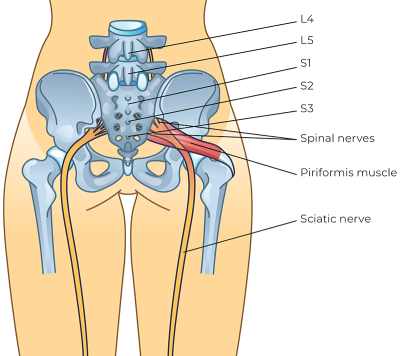
Sciatica refers to pain that follows the path of the sciatic nerve, the largest nerve in the body. This nerve runs from the lower spine through the hips and buttocks and down each leg. When the nerve becomes compressed or irritated, it can trigger pain, tingling, numbness, or weakness along this pathway.
The condition typically affects only one side of the body and can range from mild discomfort to severe, debilitating pain.
Common Causes:
Sciatica is not a diagnosis itself but a symptom of an underlying issue. Several conditions can place pressure on the sciatic nerve:
- Herniated or bulging discs — the most common cause, where the soft center of a spinal disc pushes through its outer layer.
- Spinal stenosis, a narrowing of the spinal canal that compresses nerves.
- Degenerative disc disease, which can irritate nerve roots over time.
- Bone spurs, often age-related, that press on nerve roots.
- Injuries, such as falls or accidents.
- Pregnancy, due to increased pressure on the spine.
- Tumors or cysts, though these are rare
- Muscle tightness or stiffness, the milder form among all
Risk factors include aging, obesity, prolonged sitting, physically demanding activities such as jobs, and diabetes, which can increase nerve vulnerability.
Symptoms to Watch For:
Sciatica symptoms vary but often include:
- Sharp, burning, or electric shock–like pain radiating from the lower back down the leg
- Tingling or “pins and needles” sensations
- Numbness in the leg or foot
- Muscle weakness in severe cases
- Pain worsens with coughing, sneezing, long periods of sitting, or prolonged walking or activity
Seek immediate medical attention if you experience sudden leg weakness, loss of bladder or bowel control, or severe, unrelenting pain.
Diagnosis:
Healthcare providers diagnose sciatica through a combination of medical history, physical exams, and sometimes imaging tests. Common assessments include:
- Straight-leg raise test to identify nerve irritation
- X-rays, MRI, or CT scans to visualize spinal structures
- Nerve conduction studies to evaluate nerve function
Treatment Options:
Most cases of sciatica improve within weeks through conservative care. Treatment focuses on relieving pain and restoring mobility.
Self-Care Approaches:
- Cold packs during the first few days to reduce inflammation
- Heat therapy afterward to relax muscles
- Gentle movement, avoiding prolonged bed rest
- Over-the-counter anti-inflammatory medications, such as NSAIDs
Treatments:
If symptoms persist or worsen, healthcare providers may recommend:
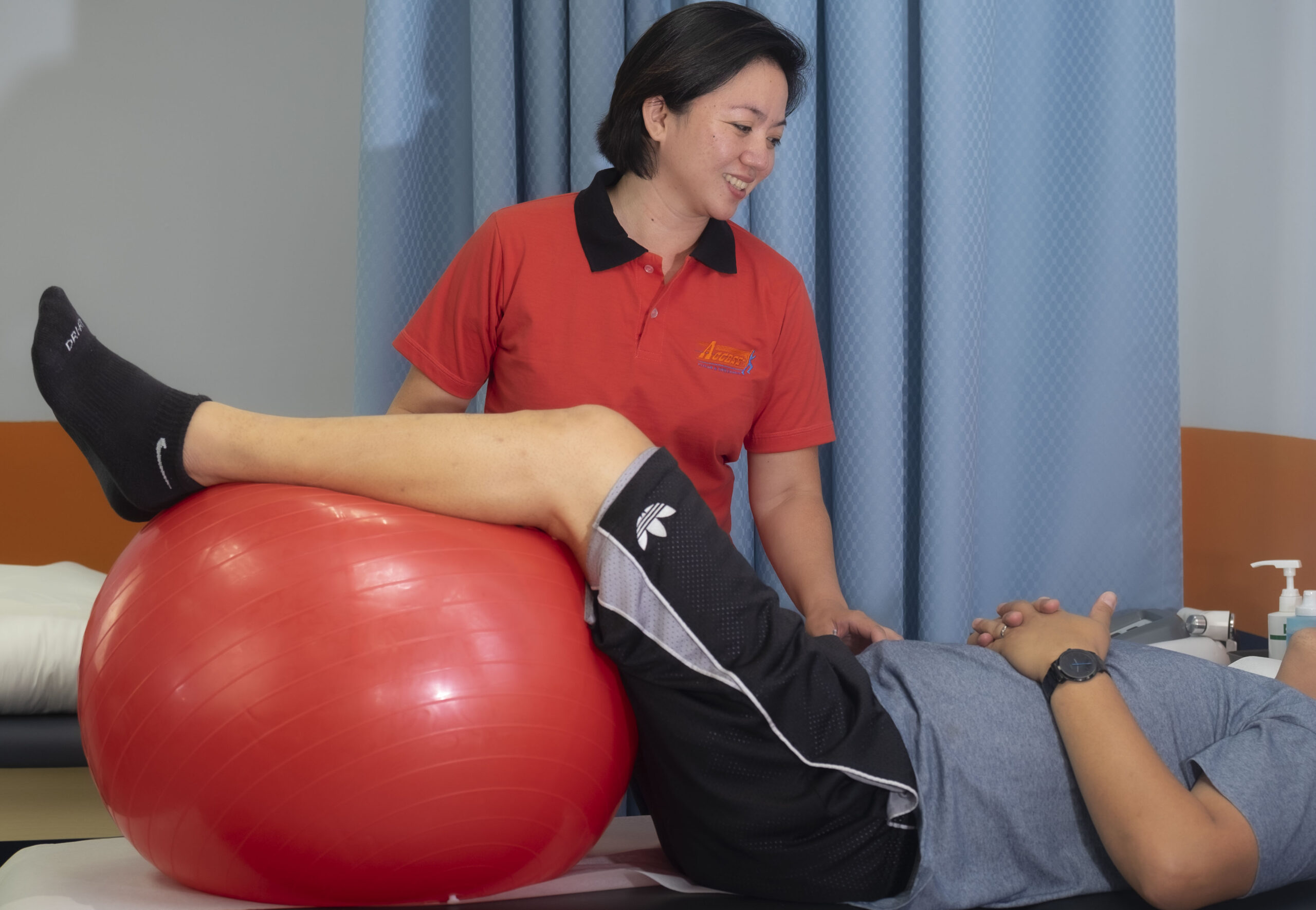
- Physical Therapy to relieve pain using manual techniques such as trigger point release and strengthen core, leg, and back muscles
- Prescription medications for nerve pain
- Steroid injections to reduce inflammation
- Surgery, typically reserved for severe cases involving nerve damage or persistent pain despite other treatments
Prevention and Long-Term Care:
While sciatica can’t always be prevented, certain habits reduce the risk:
- Strengthening core muscles
- Maintaining good posture
- Using proper lifting techniques
- Staying active and avoiding long periods of sitting or overworking
- Managing weight to reduce spinal stress
Final Thoughts:
Sciatica can be painful and disruptive, but understanding its causes and treatments empowers you to take control of your recovery. Most people improve with time, self-care, and targeted therapies. If symptoms persist or become severe, a healthcare professional can help identify the underlying cause and guide you toward effective treatment.